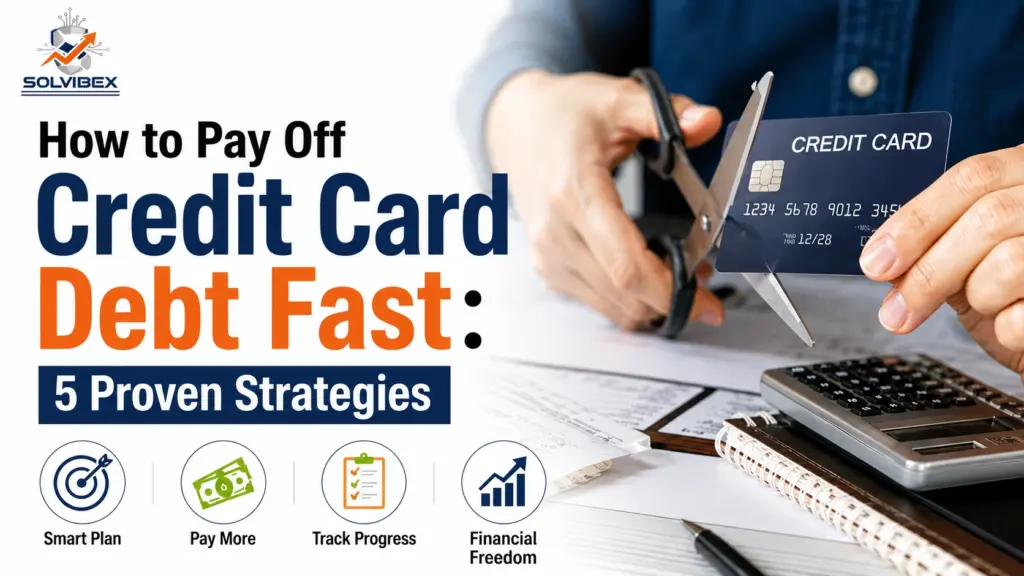
Managing credit card debt can feel overwhelming, especially when interest charges keep rising each month. Many people make regular payments but find that their balances decrease more slowly than expected because a portion of each payment goes toward interest rather than the principal balance.
The good news is that credit card debt can be managed with a structured repayment plan, disciplined budgeting, and informed financial decisions. Whether you have one credit card or several, choosing the right repayment strategy can help you reduce debt more efficiently while improving your overall financial health.
This guide explains practical approaches to paying off credit card debt, compares two of the most widely used repayment methods, and discusses options such as balance transfers and debt consolidation. You’ll also learn how budgeting and spending adjustments can support faster debt repayment.
Disclaimer: This article is for educational purposes only and should not be considered financial, legal, or tax advice. Financial products and repayment options vary by individual circumstances. Consider consulting a qualified financial professional before making major financial decisions.
What Causes Credit Card Debt to Grow?
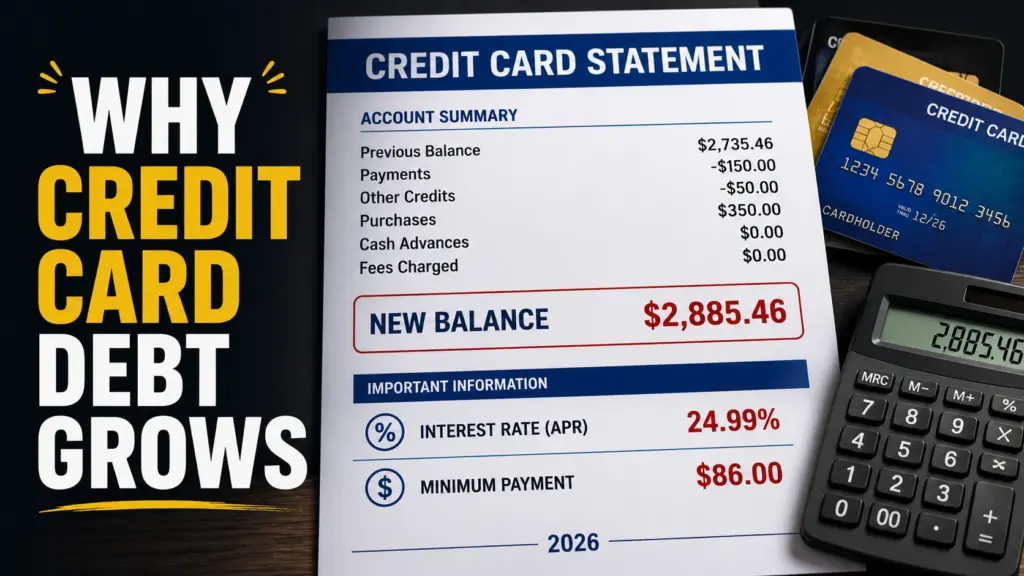
Many people assume their debt grows simply because they continue spending. While additional purchases certainly increase balances, high interest rates and minimum payments also play a major role.
Common reasons credit card debt increases include:
- Paying only the minimum amount due.
- Carrying balances month after month.
- High annual percentage rates (APR).
- Unexpected medical or emergency expenses.
- Reduced income or job loss.
- Poor budgeting habits.
Understanding why debt grows is the first step toward creating a repayment plan that works.
Assess Your Current Financial Situation
Before choosing a repayment strategy, take time to organise your financial information.
Create a simple list for each credit card that includes:
Information Example Current Balance $3,200 Interest Rate (APR) 22.99% Minimum Monthly Payment $85 Payment Due Date 15th of each month
Seeing all of your balances in one place makes it easier to compare repayment options and prioritise which accounts to pay first.
Create a Realistic Debt Repayment Budget
A repayment strategy is much more effective when it’s supported by a realistic monthly budget.
Start by calculating:
Monthly Income
Include all reliable income sources, such as:
- Salary or wages
- Freelance income
- Business income
- Other regular earnings
Essential Expenses
List necessary monthly expenses, including:
- Housing
- Utilities
- Groceries
- Transportation
- Insurance
- Healthcare
Non-Essential Spending
Review discretionary expenses such as:
- Dining out
- Streaming subscriptions
- Online shopping
- Entertainment
- Impulse purchases
Reducing some discretionary spending—even temporarily—may free up additional money that can be directed toward debt repayment.
Why Paying More Than the Minimum Matters
Credit card companies typically require only a minimum monthly payment. While making the minimum payment helps keep your account in good standing, it generally extends the repayment period and increases the total interest paid over time.
Whenever your budget allows, paying more than the minimum can:
- Reduce interest costs over time.
- Lower your balance more quickly.
- Improve your credit utilisation ratio.
- Help you become debt-free sooner.
Even small additional payments made consistently can have a meaningful impact over the life of the debt.
Choose a Debt Repayment Strategy
There is no single repayment method that works for everyone.
Two of the most widely recognised approaches are:
Debt Snowball Method
Focus on paying off the smallest balance first while making minimum payments on other cards.
This approach may provide motivational wins as individual balances are eliminated.
Debt Avalanche Method
Focus on paying off the account with the highest interest rate first, while continuing to make minimum payments on the remaining accounts.
Although it may take longer to eliminate the first balance, this strategy often reduces the total interest paid over time.
Both methods can be effective when applied consistently.
Debt Snowball Method: Build Momentum with Small Wins
The Debt Snowball Method is a repayment strategy that focuses on paying off your smallest credit card balance first, regardless of the interest rate.
This approach is designed to keep you motivated by allowing you to eliminate individual debts more quickly. As each balance is paid off, the amount you were paying on that card is added to the payment for the next-smallest balance.
How the Debt Snowball Method Works
- List all credit card balances from smallest to largest.
- Continue making the minimum payment on every card.
- Put any extra money toward the smallest balance.
- After paying off the first card, apply that payment amount to the next smallest balance.
- Repeat the process until all balances are paid.
Example
Suppose you have three credit cards:
Credit Card Balance Interest Rate Card A $800 24% Card B $2,500 19% Card C $5,000 17%
Using the snowball method, you would pay off Card A first, even though it doesn’t have the highest interest rate.
Once Card A is paid off, you roll that payment into Card B, creating a larger monthly payment for the next debt.
Benefits of the Debt Snowball Method
- Builds motivation through early progress.
- Simplifies debt repayment.
- Helps develop consistent financial habits.
- Easy for beginners to follow.
Potential Drawbacks
Because this method ignores interest rates, you may pay more interest overall compared with other repayment strategies.
Debt Avalanche Method: Reduce Interest Costs
The Debt Avalanche Method focuses on paying off the highest-interest debt first while making minimum payments on all remaining accounts.
This strategy aims to reduce the total amount of interest paid over time.
How the Debt Avalanche Method Works
- List all credit cards from highest APR to lowest APR.
- Continue making minimum payments on every account.
- Direct any additional funds to the highest-interest card.
- Once that balance is paid, move to the next highest APR.
Example
Suppose your credit cards look like this:
Credit Card Balance Interest Rate Card A $3,500 28% Card B $1,200 19% Card C $2,000 15%
Using the avalanche method, you would focus on Card A first because it has the highest interest rate, even though it isn’t the smallest balance.
This approach generally saves more money in interest over the life of the repayment plan.
Benefits of the Debt Avalanche Method
- May reduce total interest paid.
- It can shorten the overall repayment cost.
- Financially efficient for long-term repayment.
- Works well for disciplined borrowers.
Potential Drawbacks
It may take longer to pay off the first account, making it harder for some people to stay motivated.
Debt Snowball vs Debt Avalanche
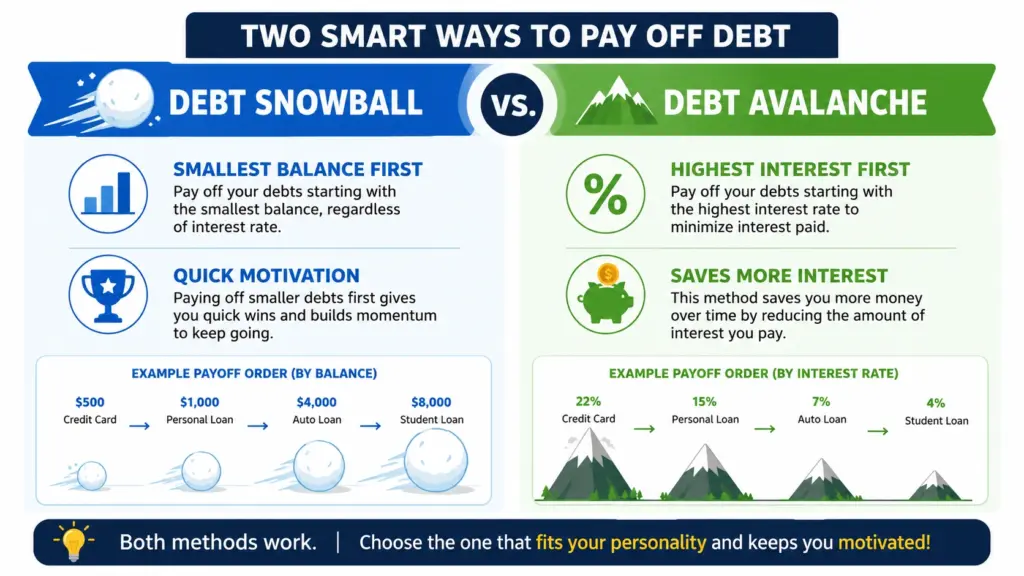
Feature Debt Snowball Debt Avalanche First Priority Smallest balance Highest interest rate Primary Goal Build motivation Reduce interest costs First Payoff Usually faster May take longer Total Interest Paid Often higher Often lower Best For People who prefer quick wins People focused on minimizing interest
Which Strategy Should You Choose?
Both repayment methods have helped many people reduce credit card debt.
The right choice depends on your personal preferences and financial situation.
Consider the Debt Snowball Method if you:
- Feel overwhelmed by multiple balances.
- Prefer seeing quick progress.
- Need motivation to stay consistent.
Consider the Debt Avalanche Method if you:
- Want to minimise interest expenses.
- Can stay committed to a long-term repayment plan.
- Prefer making mathematically efficient financial decisions.
The most effective strategy is the one you can follow consistently until all balances are paid.
Common Mistakes to Avoid
Regardless of the repayment method you choose, avoiding these common mistakes can improve your results.
Continuing to Add New Debt
Paying off balances becomes much more difficult if new purchases keep increasing your outstanding debt.
Whenever possible, avoid using credit cards for non-essential spending during your repayment plan.
Missing Monthly Payments
Late payments may result in:
- Additional fees
- Higher interest rates
- Negative effects on your credit history
Setting up automatic payments or payment reminders can help reduce the risk of missed due dates.
Ignoring Your Budget
A repayment strategy works best when it is supported by a realistic monthly budget.
Review your income and expenses regularly so you can continue directing extra money toward debt reduction.
Consider a Balance Transfer Credit Card
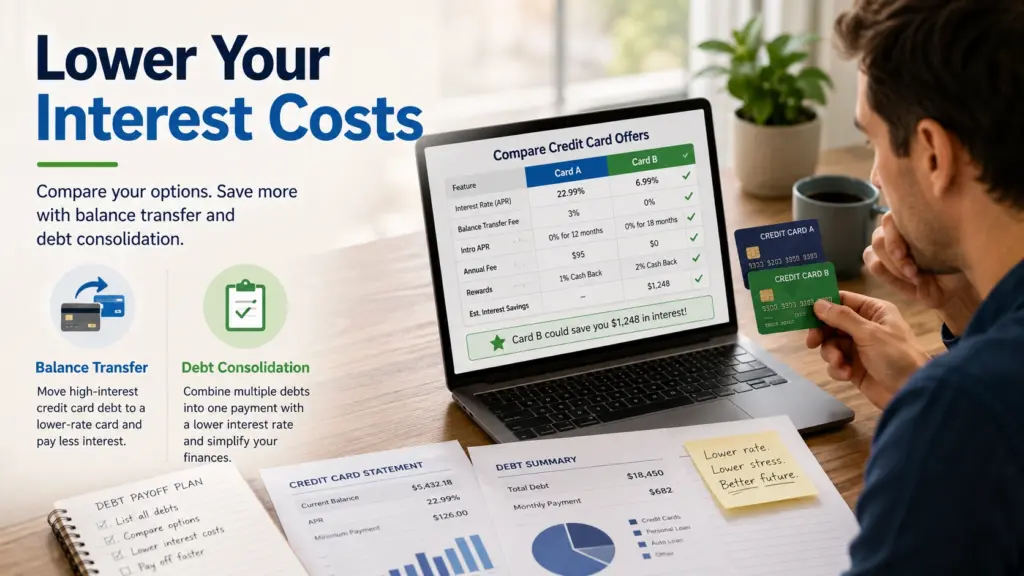
If your credit profile qualifies, a balance transfer credit card may help reduce interest costs while you work toward paying off your debt.
Some issuers offer promotional 0% APR balance transfer periods for a limited time. During this period, payments typically go toward reducing the balance rather than accruing additional interest.
However, these offers often include eligibility requirements and balance transfer fees.
How a Balance Transfer Works
- Apply for an eligible balance transfer card.
- Transfer your existing credit card balances.
- Make monthly payments during the promotional period.
- Aim to pay off the balance before the introductory rate expires.
Potential Benefits
- Lower or temporary zero-interest promotional period
- Faster debt repayment
- Simplified monthly payments
- Reduced interest expenses
Things to Consider
Before applying, review:
- Balance transfer fees
- Introductory APR period
- Standard APR after the promotion ends
- Annual fees (if any)
- Credit score requirements
A balance transfer is most effective when you avoid adding new purchases to the transferred balance.
Explore Debt Consolidation Loans
If managing multiple credit card payments has become difficult, a debt consolidation loan may be another option.
Debt consolidation combines multiple balances into one loan with a fixed monthly payment.
Depending on your credit profile, the interest rate may be lower than the rates charged on your existing credit cards.
Potential Advantages
- One monthly payment instead of several
- Fixed repayment schedule
- Possible lower interest rate
- Easier budgeting
Possible Limitations
Debt consolidation doesn’t eliminate debt—it reorganises it.
Before accepting a loan, compare:
- Interest rates
- Loan fees
- Repayment terms
- Total borrowing cost
Carefully review the loan agreement before signing.
Ask Your Credit Card Issuer About Lower Interest Rates
Many people don’t realise they can contact their credit card company and ask whether a lower interest rate is available.
While approval isn’t guaranteed, some issuers may consider your request if you have:
- A strong payment history
- Improved credit score
- Long-term customer relationship
- Stable income
Even a small reduction in your APR can lower the total interest you pay over time.
Before calling, be prepared to explain your financial situation and repayment plan.
Create a Temporary Debt Payoff Budget
Reducing debt often requires short-term spending adjustments.
This doesn’t mean eliminating every enjoyable expense forever—it means temporarily prioritising debt repayment.
Consider reviewing your monthly spending for areas where you can reduce costs.
Examples include:
- Dining out
- Subscription services
- Entertainment expenses
- Impulse shopping
- Premium memberships
Redirecting these savings toward your credit card payments may help accelerate your progress.
Build Better Spending Habits
Paying off debt is only part of the process.
Developing healthier financial habits can help reduce the likelihood of future debt.
Delay Non-Essential Purchases
Before buying something unnecessary, wait at least 24–48 hours.
This pause can help reduce impulse spending and encourage more thoughtful purchasing decisions.
Track Every Dollar
Regularly monitoring your spending provides better visibility into your financial habits.
Budgeting apps, spreadsheets, or even a simple notebook can help you stay organised.
Avoid Using Credit for Everyday Expenses
If possible, use cash, debit cards, or money already included in your monthly budget instead of relying on credit for routine purchases.
Build an Emergency Fund
Unexpected expenses are one of the most common reasons people accumulate credit card debt.
Even a modest emergency fund can reduce the need to borrow when unexpected costs arise.
Many financial planners recommend gradually building an emergency fund that covers several months of essential living expenses, based on your personal circumstances.
When Should You Seek Professional Help?
If your debt feels unmanageable despite your best efforts, consider speaking with a qualified nonprofit credit counselling agency.
A certified credit counsellor may help you:
- Review your financial situation.
- Create a realistic budget.
- Develop a debt repayment plan.
- Understand available debt relief options.
- Improve long-term financial habits.
Choose reputable agencies that are transparent about their services and fees.
Signs You May Need Additional Support
You may benefit from professional guidance if you:
- Miss payments regularly.
- Rely on credit cards for essential expenses.
- Struggle to make minimum payments.
- Receive collection notices.
- Feel overwhelmed by multiple debts.
Seeking help early may provide more options than waiting until financial challenges become more severe.
Conclusion
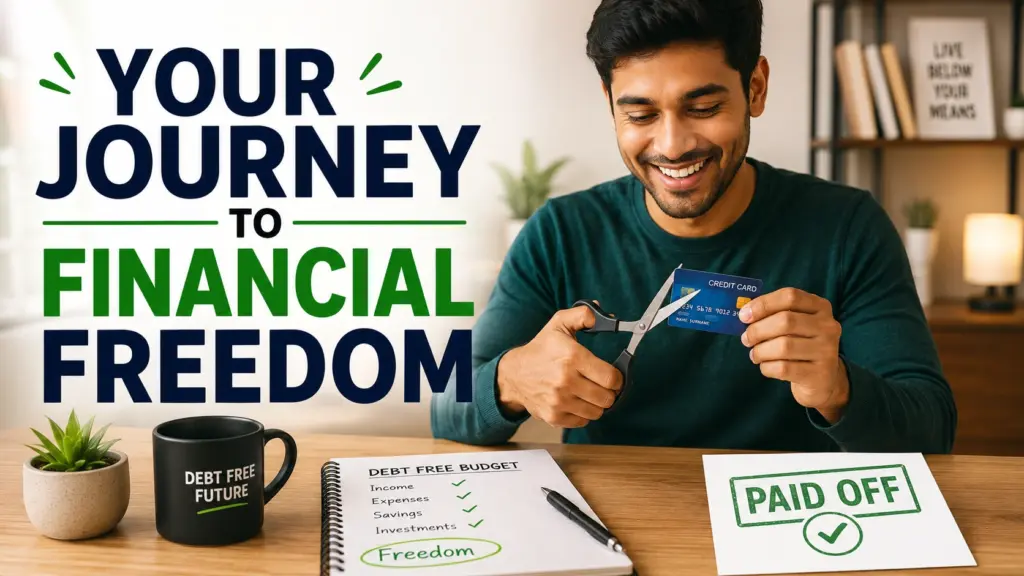
Paying off credit card debt takes time, but a clear strategy and consistent effort can make the process more manageable. Whether you choose the Debt Snowball Method for motivation or the Debt Avalanche Method to reduce interest costs, the most important step is to create a plan and follow it consistently.
Supporting your repayment strategy with a realistic budget, responsible spending habits, and an emergency fund can help prevent future debt. If your situation becomes difficult to manage, don’t hesitate to seek guidance from a reputable nonprofit credit counselling organisation.
Financial progress doesn’t happen overnight, but every payment brings you closer to becoming debt-free and building a stronger financial future.
Frequently Asked Questions (FAQs)
How can I pay off credit card debt faster?
Paying more than the minimum payment, following a structured repayment strategy, reducing unnecessary expenses, and avoiding new debt can help you pay off credit card debt more quickly.
Which is better: the Debt Snowball or Debt Avalanche Method?
The Debt Snowball Method focuses on paying the smallest balances first to build motivation, while the Debt Avalanche Method prioritises the highest-interest balances to reduce overall borrowing costs. The better option depends on your financial goals and personal preferences.
Does paying off credit card debt improve my credit score?
Paying down credit card balances may improve your credit utilisation ratio, which is an important factor in credit scoring. However, changes to your credit score depend on several factors, including payment history, credit mix, and overall credit profile.
Should I close my credit card after paying it off?
Closing a credit card isn’t always necessary. Keeping an account open and maintaining a low balance may help preserve your available credit and the length of your credit history. Consider your individual financial situation before deciding.
Can I negotiate a lower interest rate with my credit card company?
Some credit card issuers may review requests for lower interest rates, particularly if you have a positive payment history or improved credit profile. Approval is not guaranteed, but asking may be worthwhile.
Is a balance transfer a good idea?
A balance transfer may reduce interest costs if you qualify for a promotional offer and pay off the balance before the introductory period ends. Review fees, terms, and eligibility requirements carefully before applying.
What is a debt consolidation loan?
A debt consolidation loan combines multiple debts into one fixed monthly payment. Depending on your credit profile, it may simplify repayment and reduce interest costs compared with carrying multiple high-interest credit card balances.
When should I seek professional credit counselling?
If you’re unable to keep up with payments, rely on credit cards for everyday expenses, or feel overwhelmed by debt, a certified nonprofit credit counsellor may help you evaluate your options and develop a realistic repayment plan.
Quick Comparison
Strategy Best For Main Advantage Debt Snowball Motivation Eliminates smaller balances quickly Debt Avalanche Saving Money Reduces total interest paid Balance Transfer Good Credit Temporary lower or 0% introductory APR Debt Consolidation Loan Multiple Credit Cards One predictable monthly payment
Official Sources
These trusted resources provide reliable information about credit, debt management, and personal finance:
- Consumer Financial Protection Bureau (CFPB)
https://www.consumerfinance.gov/ - Federal Reserve
https://www.federalreserve.gov/ - Federal Reserve Bank of New York – Household Debt
https://www.newyorkfed.org/microeconomics/hhdc - Investor.gov
https://www.investor.gov/ - Federal Trade Commission (FTC)
https://consumer.ftc.gov/ - National Foundation for Credit Counselling (NFCC)
https://www.nfcc.org/
Internal Linking Suggestions
Link this article to related content on Solvibex:
- How to Raise Your Credit Score Fast
- Personal Finance Money Management Guide
- Best Passive Income Ideas in the USA
- Personal Finance Tips for Beginners
- Best AI Stocks to Watch in 2026
About the Author
Mehul Patel is the founder of Solvibex.com, where he publishes practical, research-based content on personal finance, investing, AI, online income, and financial technology. His goal is to simplify complex financial topics and help readers make informed decisions with confidence.
Disclaimer
This content is provided for educational and informational purposes only. It does not constitute financial, legal, investment, or tax advice. Financial products, interest rates, and repayment options vary by individual circumstances. Always conduct your own research or consult a qualified financial professional before making financial decisions.