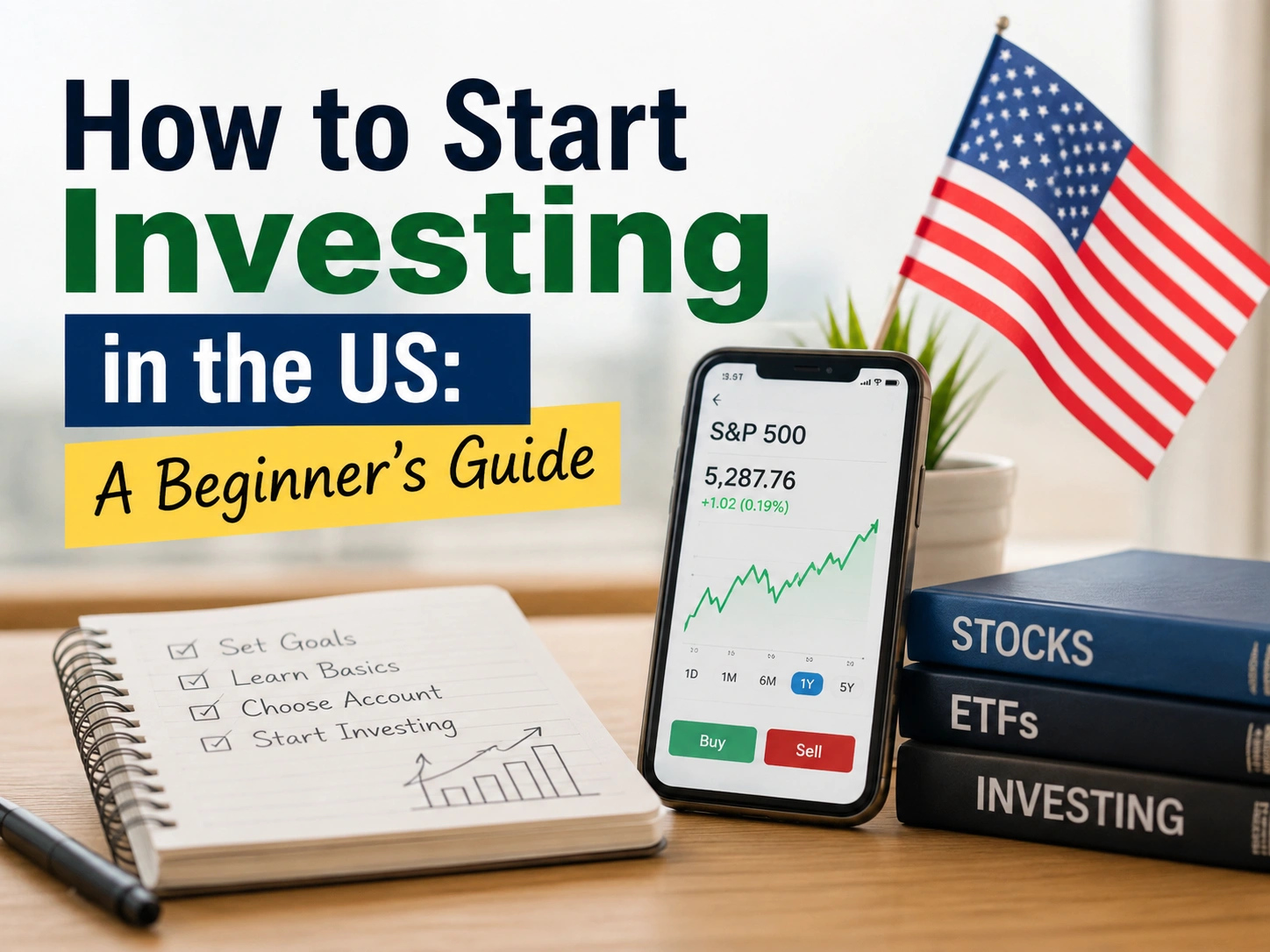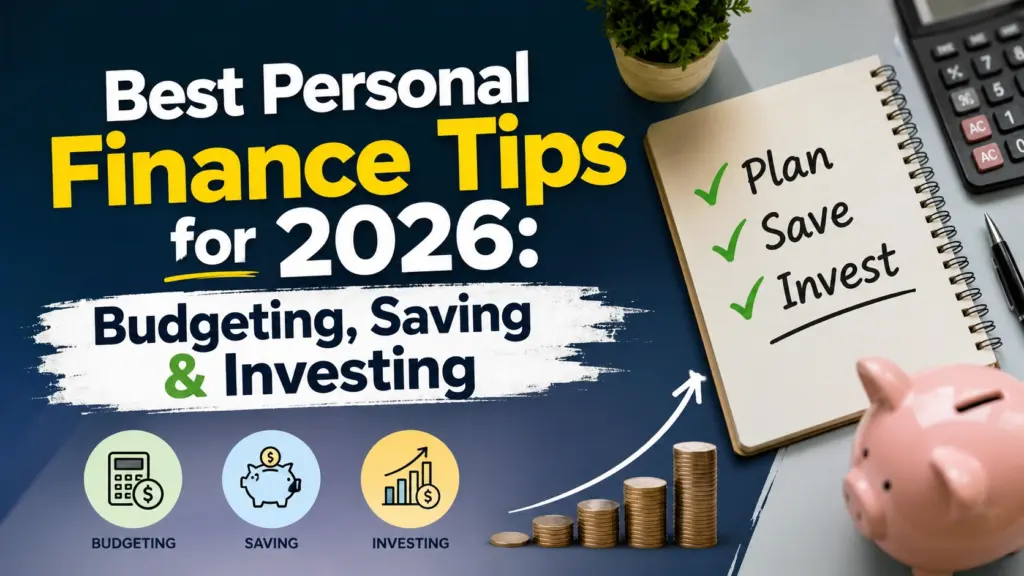
Managing money wisely is one of the most valuable life skills you can develop. Whether you’re earning your first paycheck, building savings, or planning for retirement, good financial habits can help you achieve long-term stability and reduce financial stress.
Many people believe that earning more money automatically leads to financial success. In reality, how you manage your income often matters more than how much you earn. Creating a budget, controlling unnecessary expenses, building an emergency fund, and making informed investment decisions are all essential steps toward financial security.
This guide covers practical personal finance tips, proven money management strategies, beginner-friendly investment strategies, and sustainable passive income ideas to help you build a stronger financial future in 2026 and beyond.
Disclaimer: This article is for educational purposes only and should not be considered financial, tax, or investment advice. Always evaluate your own financial situation or consult a qualified financial professional before making major financial decisions.
What Is Personal Finance?
Personal finance refers to the way individuals manage their income, expenses, savings, investments, insurance, taxes, and long-term financial goals.
Good financial management isn’t about spending as little as possible—it’s about making informed decisions that align with your priorities while preparing for future needs.
A strong financial plan generally focuses on:
- Budgeting monthly income
- Managing everyday expenses
- Building an emergency fund
- Saving for future goals
- Investing for long-term growth
- Managing debt responsibly
- Planning for retirement
Learning these fundamentals early can make achieving financial goals much easier over time.
Why Personal Finance Matters
Strong financial habits affect nearly every area of life.
When your finances are organised, you can better prepare for unexpected expenses, reduce financial stress, and work toward long-term goals with greater confidence.
Some of the biggest benefits include:
- Better control over spending
- Increased savings
- Reduced financial stress
- Improved investment opportunities
- Greater financial independence
- Better preparation for emergencies
- Stronger retirement planning
Financial success rarely comes from one big decision. Instead, it is usually the result of many small, consistent choices made over several years.
Set Clear Financial Goals Before Managing Money
Before creating a budget or choosing investments, it’s important to know what you’re working toward.
Your financial goals should be specific, realistic, and measurable.
Short-Term Goals
Examples include:
- Building a $1,000 emergency fund
- Paying off a credit card balance
- Saving for a vacation
- Purchasing a new laptop
- Creating your first monthly budget
Medium-Term Goals
These may include:
- Buying a car
- Starting a business
- Saving for higher education
- Building a house requires a down payment.
Long-Term Goals
Examples include:
- Retirement planning
- Achieving financial independence
- Creating multiple passive income streams
- Building long-term investment wealth
Clear goals make it easier to decide where to allocate your money each month.
Understand Where Your Money Goes
Many people feel they don’t save enough money because they don’t know where their money is being spent.
Tracking expenses for even one month can reveal overlooked spending habits.
Common spending categories include:
Category Examples Housing Rent, Mortgage, Maintenance Utilities Electricity, Water, Internet Food Groceries, Restaurants Transportation Fuel, Public Transport Insurance Health, Vehicle, Home Entertainment Streaming Services, Movies Savings Emergency Fund, Investments
Once you understand your spending patterns, it becomes much easier to identify unnecessary expenses and redirect that money toward savings or investments.
Build a Monthly Budget That Actually Works

A budget is one of the most effective tools for managing personal finances.
Rather than restricting your spending, a budget helps you assign every dollar a purpose.
One popular approach is the 50/30/20 budgeting rule.
50% — Essential Needs
This includes necessary monthly expenses such as:
- Housing
- Utilities
- Transportation
- Insurance
- Groceries
30% — Personal Wants
Examples include:
- Dining out
- Entertainment
- Shopping
- Hobbies
- Travel
20% — Savings and Investments
This portion can be used for:
- Emergency fund
- Retirement contributions
- Index funds
- ETFs
- Mutual funds
- Debt repayment
A simple budget doesn’t need to be perfect. The goal is to create a sustainable spending plan that supports your financial priorities.
Build an Emergency Fund Before Investing
One of the biggest financial mistakes beginners make is investing before creating an emergency fund.
Unexpected expenses such as medical bills, job loss, vehicle repairs, or home maintenance can happen at any time. Without emergency savings, many people rely on high-interest credit cards or personal loans, which only makes their financial situation even more difficult.
An emergency fund acts as your financial safety net.
How Much Should You Save?
While every situation is different, many financial professionals recommend saving enough to cover three to six months of essential living expenses.
For example:
Monthly Expenses Recommended Emergency Fund $2,000 $6,000–$12,000 $3,000 $9,000–$18,000 $4,000 $12,000–$24,000
Don’t worry if you can’t save this amount immediately. Start with a smaller goal, such as $500 or $1,000, and increase it gradually over time.
Practical Money Management Tips That Actually Work
Managing money doesn’t have to be complicated. Small daily habits often make a bigger difference than major financial decisions made once a year.
Here are some practical money management tips you can start using today.
Pay Yourself First
Instead of saving whatever money remains at the end of the month, move a portion of your income into savings as soon as you get paid.
Automating this process helps build consistency and reduces the temptation to spend.
Avoid Lifestyle Inflation
As income increases, many people naturally increase their spending.
Buying a larger house, upgrading vehicles, or spending more on luxury items can leave little room for savings, even with higher earnings.
Before increasing your lifestyle expenses, consider using additional income to:
- Increase retirement contributions
- Build your emergency fund.
- Invest in diversified assets.
- Pay down high-interest debt.
Growing your savings alongside your income can strengthen your long-term financial position.
Track Every Dollar
Knowing exactly where your money goes each month helps you identify unnecessary spending.
Consider tracking categories such as:
- Housing
- Transportation
- Food
- Entertainment
- Shopping
- Subscriptions
- Savings
- Investments
Many budgeting apps can automatically categorise expenses, making it easier to monitor your spending habits.
Reduce High-Interest Debt
High-interest debt can significantly slow your financial progress.
Credit card balances, payday loans, and other expensive borrowing often cost far more than many people realise.
If you have multiple debts, consider focusing on higher-interest balances first while continuing to make at least the minimum payment on all accounts.
Reducing expensive debt may free up more money for saving and investing over time.
Increase Your Savings Without Feeling Restricted
Saving money doesn’t always require major sacrifices.
Small adjustments to everyday spending can add up over the course of a year.
Examples include:
- Preparing meals at home more often
- Cancelling unused subscriptions
- Comparing insurance providers periodically
- Shopping with a grocery list
- Waiting 24 hours before making non-essential purchases
- Buying quality products that last longer
The objective isn’t to eliminate enjoyable spending—it’s to make intentional financial decisions.
Passive Income Ideas for Beginners

Passive income refers to earnings that require limited ongoing effort after the initial setup.
While most passive income sources require some time, money, or work up front, they may help diversify your income over the long term.
Dividend Investing
Some companies distribute a portion of their profits to shareholders through dividends.
Investors who own dividend-paying stocks may receive regular payments while also benefiting from potential long-term growth.
Dividend investing is often considered a long-term strategy rather than a quick source of income.
Affiliate Marketing
Affiliate marketing allows content creators, bloggers, and website owners to earn commissions by recommending products or services.
Success usually depends on:
- Creating helpful content
- Building audience trust
- Choosing relevant products
- Maintaining transparency about affiliate relationships
For those willing to invest time in content creation, affiliate marketing can become an additional income stream.
Digital Products
Selling digital products can provide recurring income after the initial creation.
Examples include:
- E-books
- Online courses
- Printable templates
- Financial spreadsheets
- Digital planners
Unlike physical products, digital products generally have lower ongoing distribution costs.
Rental Property
Real estate investing has long been a popular way to generate rental income.
However, potential investors should carefully evaluate:
- Purchase price
- Financing costs
- Property taxes
- Insurance
- Maintenance expenses
- Vacancy risks
Rental property may provide long-term income, but it also involves financial responsibilities and market risks.
Beginner-Friendly Investment Strategies

Saving money is an essential first step, but investing allows your money to grow over time through compounding. While every investment carries some level of risk, understanding the basics can help beginners make informed decisions.
Before investing, make sure you have:
- A monthly budget
- An emergency fund
- High-interest debt under control
- Clear financial goals
Once these foundations are in place, you can begin exploring investment options.
Why Investing Matters
Simply keeping money in a savings account may not be enough to maintain purchasing power over the long term, as inflation can erode the value of cash.
Investing gives your money the opportunity to grow through market appreciation, dividends, or interest.
Some common long-term financial goals include:
- Retirement planning
- Buying a home
- Children’s education
- Financial independence
- Building long-term wealth
Starting early even with small amounts can make a significant difference over time.
Index Funds: A Simple Starting Point
For many beginners, index funds are one of the easiest ways to start investing.
An index fund is designed to track the performance of a market index, such as the S&P 500.
Benefits of Index Funds
- Broad diversification
- Lower management fees
- Simple to understand
- Suitable for long-term investing
- No need to pick individual stocks
Because index funds spread investments across many companies, they can reduce the impact of poor performance from a single business.
Exchange-Traded Funds (ETFs)
ETFs (Exchange-Traded Funds) are another popular investment option for beginners.
Like index funds, ETFs provide diversification, but they trade on stock exchanges throughout the day, similar to individual stocks.
Advantages of ETFs
- Easy to buy and sell
- Diversified portfolios
- Generally low costs
- Available across many industries and asset classes
- Suitable for long-term investors
Many investors use ETFs to build a diversified investment portfolio without purchasing dozens of individual stocks.
Mutual Funds
Mutual funds pool money from many investors and are managed by professional fund managers.
These funds may invest in:
- Stocks
- Bonds
- Money market securities
- Mixed portfolios
Advantages
- Professional management
- Diversification
- Automatic reinvestment options
- Suitable for retirement accounts
Before investing, compare management fees, investment objectives, and historical performance.
Diversification: Don’t Put All Your Money in One Place
One of the most important investment principles is diversification.
Instead of investing everything in one company or one asset, spread your investments across different categories.
A diversified portfolio may include:
- Index Funds
- ETFs
- Dividend Stocks
- Bonds
- Cash Savings
- Real Estate (if appropriate)
Diversification cannot eliminate investment risk, but it may reduce the impact of market volatility.
Understand Risk Before Investing
Every investment involves some degree of risk.
Generally:
Investment Type Risk Level Long-Term Growth Potential Savings Account Low Low Government Bonds Low Low to Moderate Index Funds Moderate Moderate to High ETFs Moderate Moderate to High Individual Stocks High High Cryptocurrency Very High Highly Variable
Your investment choices should reflect your financial goals, time horizon, and risk tolerance.
Retirement Planning Starts Earlier Than Most People Think
Many people postpone retirement planning because it feels far away.
However, starting early gives investments more time to compound.
Common retirement savings options may include employer-sponsored retirement plans or individual retirement accounts, depending on your country and financial situation.
Contributing consistently—even in small amounts—can support long-term financial security.
Common Investment Mistakes Beginners Should Avoid
Many new investors make avoidable mistakes that may slow their financial progress.
Trying to Time the Market
Predicting short-term market movements consistently is extremely difficult.
Many long-term investors focus on regular investing rather than trying to time the market.
Investing Without Research
Never invest simply because something is trending on social media or because someone else recommends it.
Always understand:
- What you’re investing in
- The risks involved
- The fees
- Your investment objective
Ignoring Fees
Investment fees may seem small, but they can significantly reduce long-term returns.
Compare:
- Expense ratios
- Management fees
- Trading costs
- Account maintenance charges
Before choosing an investment platform or fund.
Letting Emotions Control Decisions
Market prices naturally rise and fall.
Making emotional decisions during periods of fear or excitement often leads to poor investment outcomes.
A long-term investment plan is generally more effective than reacting to daily market news.
Think Long-Term
Successful investing is rarely about finding the next “hot stock.”
Instead, many experienced investors focus on:
- Consistency
- Diversification
- Patience
- Regular investing
- Long-term financial goals
Building wealth usually takes years, not weeks. Staying disciplined through changing market conditions can often be more valuable than chasing short-term trends.
Conclusion

Building strong personal finances isn’t about becoming rich overnight—it’s about making smart, consistent decisions with your money. Creating a realistic budget, managing expenses, building an emergency fund, investing regularly, and developing multiple income streams can gradually improve your financial stability.
Whether you’re just starting your financial journey or looking to strengthen your existing money habits, focusing on long-term planning is often more effective than chasing quick financial wins.
Remember that financial success is built through consistency, patience, and continuous learning. The sooner you begin implementing good financial habits, the greater the potential benefits over time.
Frequently Asked Questions (FAQs)
1. What are the most important personal finance tips for beginners?
The most effective personal finance tips include creating a monthly budget, building an emergency fund, avoiding unnecessary debt, saving consistently, and investing for long-term growth.
2. How much of my income should I save every month?
A common recommendation is to save at least 20% of your monthly income whenever possible. However, the ideal amount depends on your financial goals, expenses, and income level.
3. What is the 50/30/20 budgeting rule?
The 50/30/20 rule suggests dividing your after-tax income into:
- 50% for essential needs
- 30% for personal wants
- 20% for savings, investments, and debt repayment
This budgeting method helps maintain a healthy balance between spending and saving.
4. What are some beginner-friendly investment options?
Popular beginner investment choices include:
- Index Funds
- Exchange-Traded Funds (ETFs)
- Mutual Funds
- Retirement Accounts
- High-Yield Savings Accounts
Diversification and long-term investing are generally considered important principles for beginners.
5. What are some reliable passive income ideas?
Some common passive income ideas include:
- Dividend investing
- Affiliate marketing
- Rental properties
- Digital products
- Online courses
- Blogging
Most passive income sources require time, effort, or capital before generating consistent returns.
6. Why is an emergency fund important?
An emergency fund helps cover unexpected expenses such as medical bills, job loss, or major repairs without relying on high-interest debt.
Many financial experts recommend saving enough to cover three to six months of essential living expenses.
7. How can I reduce unnecessary spending?
You can reduce unnecessary expenses by:
- Tracking monthly spending
- Following a budget
- Cancelling unused subscriptions
- Planning purchases in advance
- Avoiding impulse buying
Small improvements can produce meaningful long-term savings.
8. How long does it take to build financial stability?
Financial stability develops over time through consistent budgeting, saving, investing, and responsible money management. Every individual’s financial journey is different, so progress depends on income, expenses, financial goals, and long-term discipline.
Key Takeaways
- Create and follow a realistic monthly budget.
- Build an emergency fund before making major investments.
- Track your expenses regularly.
- Reduce high-interest debt whenever possible.
- Invest consistently using diversified investment options.
- Develop multiple income streams for long-term financial growth.
- Review your financial goals regularly and adjust your plan as needed.
Official Sources
Use only trusted financial resources for additional information:
- Consumer Financial Protection Bureau (CFPB)
https://www.consumerfinance.gov/ - Investor.gov (U.S. Securities and Exchange Commission)
https://www.investor.gov/ - U.S. Securities and Exchange Commission (SEC)
https://www.sec.gov/ - FINRA Investor Education
https://www.finra.org/investors - IRS (Internal Revenue Service)
https://www.irs.gov/ - Vanguard Investor Education
https://investor.vanguard.com/ - Federal Reserve – Consumer Resources
https://www.federalreserve.gov/consumerscommunities.htm
About the Author
Mehul Patel is the founder of Solvibex.com, where he publishes practical, research-based content on personal finance, investing, AI, online income opportunities, and financial technology. His goal is to simplify complex financial topics into easy-to-understand guides that help readers make informed financial decisions.
Disclaimer
This article is for educational and informational purposes only. It should not be considered financial, investment, legal, or tax advice. Investment values can rise or fall, and past performance does not guarantee future results. Always conduct your own research or consult a qualified financial advisor before making financial decisions.