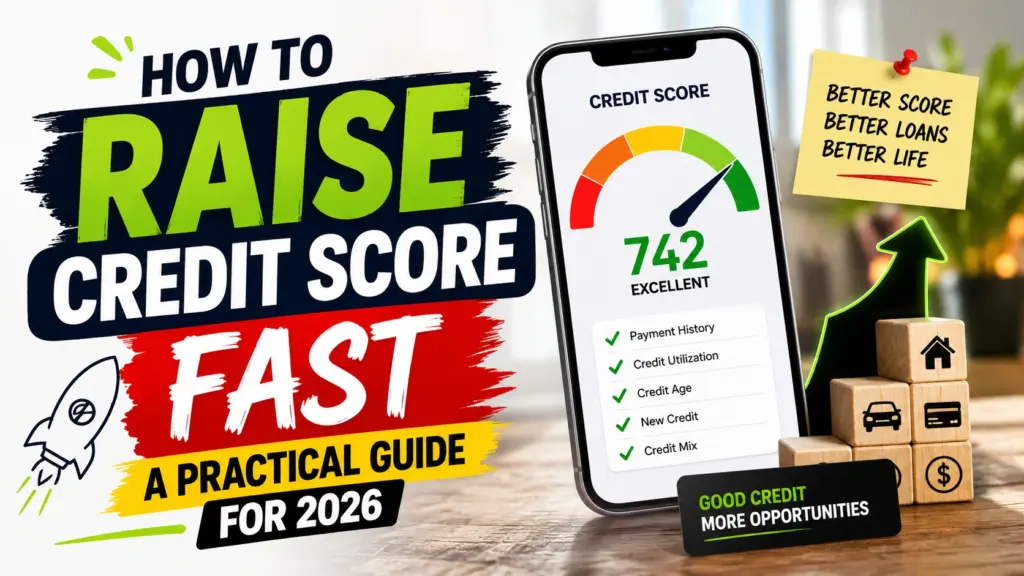
Your credit score plays a major role in your financial life. Whether you’re applying for a credit card, financing a car, renting an apartment, or qualifying for a mortgage, lenders often use your credit score to evaluate your financial reliability.
In recent years, financial technology has made credit building more accessible than ever. New tools, alternative credit reporting, and credit builder accounts have created additional ways for consumers to strengthen their credit profiles beyond traditional credit cards.
This guide explains practical strategies to improve your credit score, how modern credit-building services work, and the long-term habits that contribute to a healthier credit profile.
Disclaimer: This article is for educational purposes only and should not be considered financial or legal advice. Credit score improvements vary based on individual financial circumstances and credit history.
Understanding How Credit Scores Work
A credit score is a numerical representation of your creditworthiness based on information contained in your credit report.
Most lenders in the United States consider credit scores when reviewing applications for:
- Credit cards
- Auto loans
- Personal loans
- Home mortgages
- Apartment rentals
- Some employment screenings
- Insurance pricing in certain states
Although different scoring models exist, many lenders use credit scores to estimate how responsibly an individual manages borrowed money.
Understanding how your score is calculated is the first step toward improving it.
The Five Main Factors That Influence Your Credit Score
While different scoring models may vary slightly, the following factors generally have the greatest impact.
1. Payment History
Payment history is one of the most important parts of your credit profile.
Making every payment on time demonstrates responsible credit management, while missed or late payments may negatively affect your score.
Helpful habits include:
- Setting automatic payments
- Using payment reminders
- Paying at least the minimum amount due before the due date
2. Credit Utilisation
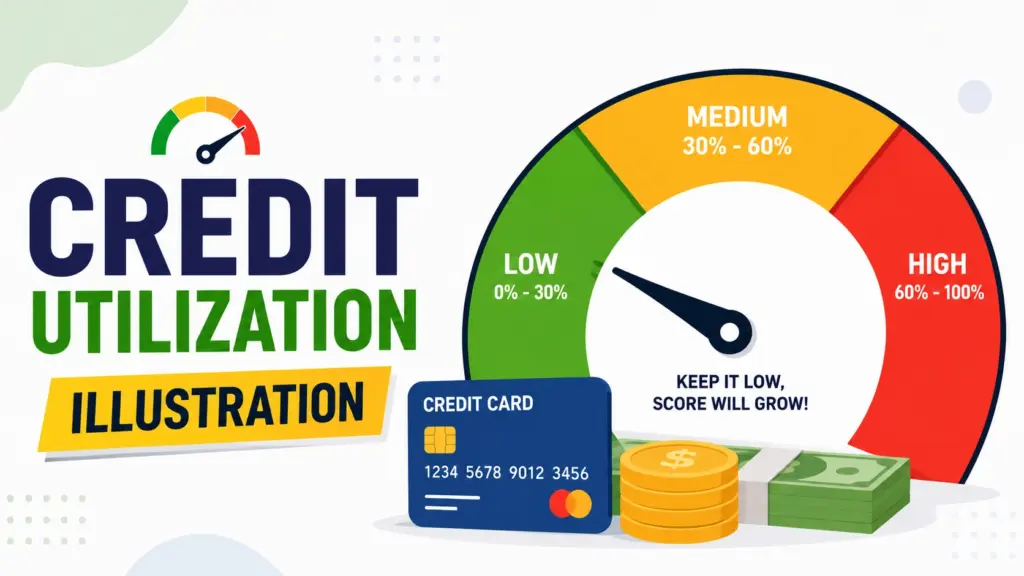
Credit utilisation measures how much of your available credit you’re currently using.
For example:
- Credit Limit: $5,000
- Current Balance: $500
Credit Utilisation:
$500 ÷ $5,000 = 10%
Many financial experts suggest maintaining a relatively low utilisation ratio because high balances may indicate greater financial risk.
3. Length of Credit History
Older accounts contribute to a longer credit history.
Closing long-standing credit accounts may reduce the average age of your credit profile, which could influence your score over time.
If an older account has no annual fee, keeping it open may benefit your overall credit history.
4. Credit Mix
Lenders generally prefer to see responsible management across different types of credit.
Examples include:
- Credit cards
- Auto loans
- Student loans
- Mortgages
- Personal loans
This does not mean you should open unnecessary accounts, but maintaining a balanced credit profile may be beneficial over time.
5. New Credit Applications
Every time you apply for certain types of credit, a hard inquiry may appear on your credit report.
Submitting multiple credit applications within a short period may temporarily affect your score.
Before applying for new credit, consider whether the application is necessary.
Can You Raise Your Credit Score Quickly?
Many people search for ways to increase their credit score as quickly as possible.
While significant improvements usually require consistent financial habits over time, some individuals may notice changes within several weeks after:
- Correcting reporting errors
- Paying down high credit card balances
- Reducing credit utilization
- Adding positive payment history through eligible credit reporting services
The timeline varies depending on your existing credit profile and when lenders report updated information to the credit bureaus.
Common Reasons Credit Scores Drop
Understanding what hurts your credit score is just as important as knowing what helps it.
Some common reasons include:
- Late payments
- High credit card balances
- Defaulted loans
- Collections
- Bankruptcy
- Multiple hard inquiries
- Closing older credit accounts
- Errors on your credit report
Regularly reviewing your credit report can help identify issues before they become larger financial problems.
Why Monitoring Your Credit Report Matters
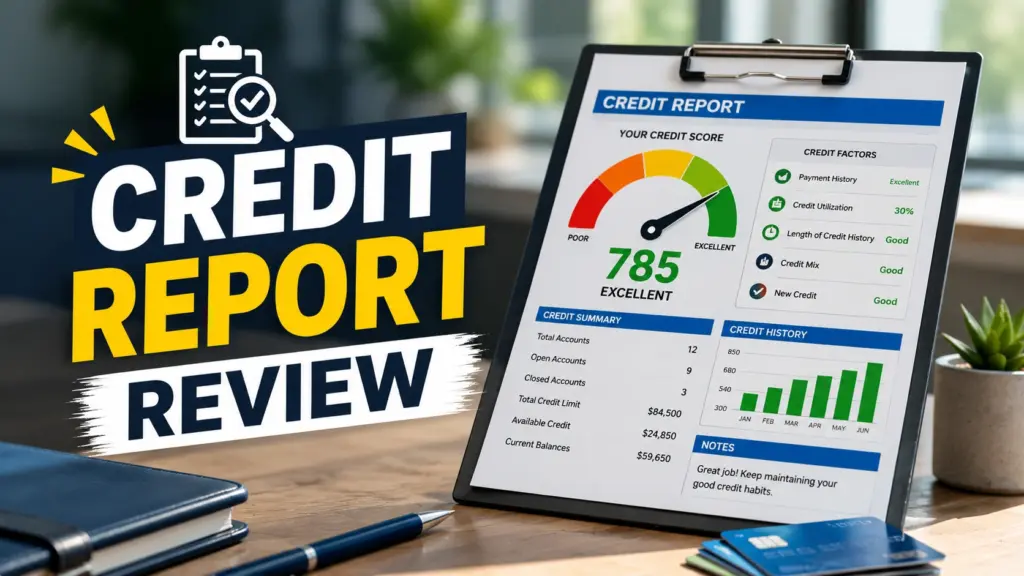
Your credit report contains information lenders use to evaluate applications.
Reviewing it regularly allows you to:
- Verify personal information
- Check account balances
- Monitor payment history
- Identify unfamiliar accounts
- Detect possible reporting errors.
- Watch for signs of identity theft.
If you discover inaccurate information, you can contact the appropriate credit bureau to request an investigation.
Practical Ways to Improve Your Credit Score
Building a stronger credit score doesn’t usually require complicated financial strategies. In many cases, consistent money management habits and responsible credit use can make a meaningful difference over time.
Below are several practical methods that many consumers use to strengthen their credit profiles.
1. Keep Your Credit Utilisation Low
Credit utilisation compares the amount of credit you’re using with your total available credit.
For example:
| Total Credit Limit | Current Balance | Utilization |
| $2,000 | $200 | 10% |
| $5,000 | $500 | 10% |
| $10,000 | $3,000 | 30% |
Many financial experts recommend keeping utilisation below 30%, and some aim for below 10% whenever possible.
Lower utilisation may demonstrate responsible credit management to lenders.
Tips
- Pay your balance before the statement closing date.
- Avoid maxing out credit cards.
- Spread purchases across multiple cards if appropriate.
- Avoid carrying unnecessary balances.
2. Always Pay Bills on Time
Payment history is one of the most influential parts of your credit profile.
Missing even one payment may remain on your credit report for years.
Simple ways to avoid missed payments include:
- Enable AutoPay
- Set calendar reminders
- Use banking alerts
- Pay at least the minimum amount before the due date.
Building a consistent payment history often has a greater long-term impact than trying to find quick credit fixes.
3. Review Your Credit Reports Regularly
Mistakes can occasionally appear on credit reports.
Examples include:
- Incorrect late payments
- Duplicate accounts
- Incorrect balances
- Accounts that don’t belong to you
- Personal information errors
Reviewing your reports periodically helps you identify potential issues early.
If you discover inaccurate information, you may request an investigation through the appropriate credit bureau.
Understanding Alternative Credit Reporting
Traditional credit scoring focuses mainly on loans and credit cards.
However, some services now allow eligible consumers to include additional payment information that may strengthen their credit profile.
Examples may include:
- Utility payments
- Internet bills
- Mobile phone bills
- Streaming subscriptions
- Rent payments (through participating services)
Not every payment is included automatically, and eligibility varies by provider.
Experian Boost
Experian Boost is a free service offered by Experian that allows eligible users to add certain recurring payment histories to their Experian credit file.
Depending on an individual’s credit profile, these additional payment records may help improve their Experian credit score.
Potential eligible payments include:
- Utility bills
- Phone bills
- Internet services
- Select streaming subscriptions
Because results vary by individual, not every user will experience the same score changes.
Chime Credit Builder
Chime Credit Builder is designed to help eligible customers build a payment history without relying on a traditional unsecured credit card.
The basic process works like this:
Step 1
Open an eligible Chime Checking Account.
Step 2
Transfer money into your secured Credit Builder account.
The transferred amount becomes your available spending limit.
Step 3
Use the card for everyday purchases within your available balance.
Step 4
Eligible payments are reported to major credit bureaus, helping establish a positive payment history over time.
Unlike many traditional credit cards, this approach helps reduce the risk of overspending because purchases are backed by money you’ve already deposited.
Kikoff
Kikoff offers credit-building products designed for consumers with limited or developing credit histories.
Rather than encouraging large purchases, Kikoff focuses on building positive payment history through affordable financial products.
Potential benefits include:
- Low monthly cost
- No traditional credit card required for some products
- Reports eligible payment activity to participating credit bureaus
- Designed for individuals building or rebuilding credit
Before signing up for any financial product, always review current fees, eligibility requirements, and reporting policies on the provider’s official website.
Should You Use Credit Builder Apps?
Credit builder apps may be helpful for some consumers, especially those with limited credit history.
However, they should not replace responsible financial habits.
Before choosing any service, compare:
- Monthly fees
- Reporting practices
- Credit bureau coverage
- Eligibility requirements
- Customer support
- Security features
Selecting a reputable provider that matches your financial needs is generally more important than choosing the newest app.
Building Good Credit Takes Consistency
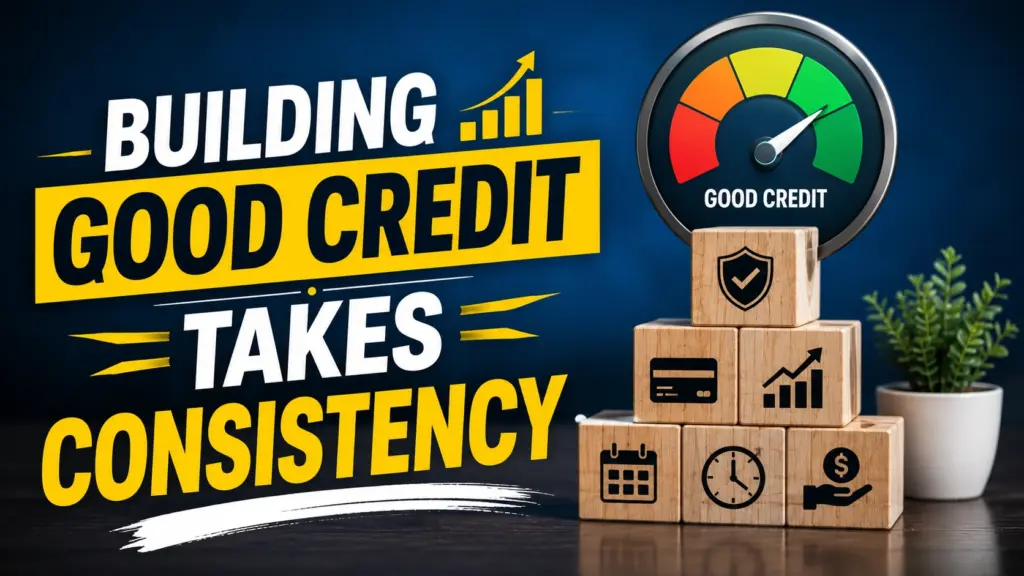
Although technology has introduced new credit-building tools, the foundation of a strong credit score remains largely the same:
- Pay every bill on time.
- Keep balances manageable.
- Monitor your credit reports.
- Avoid unnecessary debt.
- Borrow responsibly.
Consistent habits often yield stronger, longer-term results than seeking quick financial shortcuts.
Long-Term Habits That Help Build a Healthy Credit Score
Improving your credit score isn’t just about fixing short-term issues. Building excellent credit usually comes from maintaining responsible financial habits over months and years.
The following practices can help strengthen your credit profile over time.
1. Never Miss a Payment
Consistently paying your bills on time is one of the most important habits for maintaining good credit.
Consider these simple strategies:
- Enable automatic payments for recurring bills.
- Set payment reminders on your phone.
- Keep enough funds in your bank account before due dates.
- Review monthly statements regularly.
Even a single missed payment can negatively affect your credit profile, so consistency is essential.
2. Keep Older Credit Accounts Open
The length of your credit history is one factor that may influence your credit score.
If an older credit card has:
- No annual fee
- A good payment history
- No negative impact on your finances
Keeping it open may help maintain a longer average account age.
Before closing any account, consider how it could affect your overall credit profile.
3. Apply for New Credit Only When Necessary
Each new credit application may result in a hard inquiry on your credit report.
Although a single inquiry usually has a limited impact, applying for multiple loans or credit cards within a short period may raise concerns for some lenders.
Before applying, ask yourself:
- Do I actually need this account?
- Will it improve my financial situation?
- Can I comfortably manage another payment?
Responsible borrowing is generally more beneficial than opening multiple unnecessary accounts.
4. Build an Emergency Fund
Many missed payments occur because of unexpected financial emergencies.
Creating an emergency fund can help you continue making payments during difficult periods.
Even saving a small amount each month can provide additional financial security over time.
Examples include:
- Medical expenses
- Car repairs
- Job loss
- Home maintenance
- Unexpected travel
Financial stability often supports healthier credit habits.
Common Credit Score Myths
Many people receive inaccurate financial advice online.
Let’s separate myths from facts.
Myth 1: Checking Your Own Credit Score Lowers It
Fact:
Checking your own credit score is usually considered a soft inquiry and generally does not affect your score.
Regularly monitoring your credit is a healthy financial habit.
Myth 2: Carrying a Balance Improves Your Credit Score
Fact:
You do not need to carry credit card debt to build good credit.
Paying your balance in full and on time is often a better financial strategy than paying unnecessary interest charges.
Myth 3: Closing Old Credit Cards Always Helps
Fact:
Closing older accounts may reduce your available credit and shorten your average account age.
Every financial situation is different, so consider the potential impact before closing an account.
Myth 4: A High Income Automatically Means a High Credit Score
Fact:
Your income and your credit score are different.
Someone with a modest income can have excellent credit by consistently managing credit responsibly.
Likewise, a high-income individual may still have poor credit if payments are missed or debt is poorly managed.
Smart Financial Habits Beyond Your Credit Score
A good credit score is only one part of financial health.
Consider building habits such as:
- Following a monthly budget
- Paying off high-interest debt
- Saving regularly
- Tracking expenses
- Avoiding unnecessary borrowing
- Reviewing financial goals every few months
Strong financial habits support both credit improvement and long-term financial stability.
When Should You Expect Results?
Every person’s credit profile is unique.
Some people may notice changes after updated account information is reported to the credit bureaus, while others may require several months of consistent financial habits before seeing meaningful improvements.
The timeline depends on factors such as:
- Existing credit history
- Payment history
- Current balances
- Reporting schedules
- Negative items on the credit report
Instead of focusing only on speed, aim to build habits that support long-term financial health.
Signs Your Credit Profile Is Improving
As you continue practising responsible credit management, you may begin to notice positive changes such as:
- Lower credit utilization
- Consistent on-time payments
- Fewer outstanding balances
- Improved credit reports
- Better eligibility for financial products
Remember that responsible financial behaviour often yields lasting benefits.
Conclusion
Building a strong credit score is a journey that requires consistency, responsible financial habits, and informed decision-making. While there is no guaranteed way to improve your score overnight, maintaining on-time payments, keeping credit utilisation low, reviewing your credit reports, and using reputable credit-building tools may help strengthen your credit profile over time.
Modern financial technology has introduced new opportunities through alternative credit reporting and credit builder accounts, making it easier for many consumers to establish positive credit histories. However, these tools work best when combined with sound financial habits rather than as quick fixes.
Whether you’re preparing to apply for a mortgage, finance a vehicle, or simply improve your financial health, understanding how credit scores work can help you make smarter financial decisions in 2026 and beyond.
Remember that every financial situation is different, and credit score improvements vary from person to person. Focus on building long-term habits that support financial stability rather than chasing rapid results.
Frequently Asked Questions (FAQs)
1. How can I raise my credit score faster?
Although there is no guaranteed fast method, paying bills on time, lowering your credit utilisation, correcting credit report errors, and maintaining responsible credit habits may help improve your score over time.
2. What is a good credit utilisation ratio?
Many financial experts recommend keeping your credit utilisation below 30%, while staying below 10% may provide additional benefits for some consumers.
3. Does checking my own credit score lower it?
No.
Checking your own credit score is generally considered a soft inquiry and does not negatively affect your credit score.
4. Can rent and utility payments improve my credit score?
Some alternative credit reporting services allow eligible rent, utility, phone, and streaming payments to be included in certain credit reports. Availability and impact depend on the service provider and your individual credit profile.
5. Are credit builder apps worth using?
Credit builder apps may benefit individuals with limited or developing credit histories. Before choosing any provider, compare fees, reporting practices, eligibility requirements, and customer reviews.
6. How often should I review my credit report?
Reviewing your credit report several times a year can help you identify reporting errors, monitor account activity, and detect signs of identity theft.
7. Can closing an old credit card hurt my score?
It can in some situations.
Closing an older account may reduce your available credit and shorten your average credit history, which could affect your score depending on your overall credit profile.
8. How long does it take to improve a credit score?
There is no universal timeline.
Some consumers may notice changes after updated information is reported to the credit bureaus, while others may require several months of consistent responsible credit management.
Key Takeaways
- Build a consistent payment history by paying every bill on time.
- Keep your credit utilisation as low as possible.
- Review your credit reports regularly for errors.
- Apply for new credit only when necessary.
- Consider reputable credit builder tools if they fit your financial situation.
- Avoid unnecessary debt and maintain responsible borrowing habits.
- Focus on long-term financial discipline instead of quick credit repair promises.
Official Sources
For additional information, visit these trusted resources:
- AnnualCreditReport
https://www.annualcreditreport.com/ - Consumer Financial Protection Bureau (CFPB)
https://www.consumerfinance.gov/ - Experian
https://www.experian.com/ - Equifax
https://www.equifax.com/ - TransUnion
https://www.transunion.com/ - FICO
https://www.myfico.com/ - Federal Trade Commission (FTC)
https://consumer.ftc.gov/
About the Author
Mehul Patel is the founder of Solvibex.com, where he publishes practical guides on personal finance, investing, AI tools, online earning, and financial technology. His goal is to simplify complex financial topics with accurate, well-researched, and beginner-friendly content that helps readers make informed financial decisions.
Disclaimer
The information provided in this article is for educational purposes only and should not be considered financial, legal, tax, or credit advice. Credit scores are calculated using multiple factors, and results vary based on individual circumstances and credit reporting practices. Before making significant financial decisions, consider consulting a qualified financial professional or reviewing guidance from official credit reporting agencies.