Managing money effectively has become one of the most valuable life skills in today’s economy. Rising living costs, digital payment systems, subscription services, and easier access to credit make it more important than ever to understand how to manage personal finances responsibly.
Personal finance money management isn’t about earning the highest salary; it’s about making informed financial decisions with the income you already have. Good financial habits can help you reduce stress, prepare for unexpected expenses, and work toward long-term goals such as buying a home, funding education, or planning for retirement.
Whether you’re just beginning your financial journey or looking to improve your current habits, this guide explains practical budgeting techniques, saving strategies, investment basics, and money management principles that can support long-term financial stability.
Disclaimer: This article is for educational purposes only and should not be considered financial, investment, tax, or legal advice. Individual financial decisions should be based on your personal circumstances and, when appropriate, guidance from a qualified financial professional.
What Is Personal Finance Money Management?
Personal finance money management is the process of planning, organising, and controlling your financial resources to achieve both short- and long-term goals.
It generally includes:
- Budgeting monthly income
- Managing day-to-day expenses
- Building savings
- Investing for future growth
- Reducing unnecessary debt
- Preparing for emergencies
- Planning for retirement
Developing these habits can help improve financial confidence and reduce reliance on borrowing for everyday expenses.
Why Money Management Matters
Financial planning isn’t only about growing wealth; it also helps create stability and flexibility during different stages of life.
Some key benefits include:
Better Control Over Spending
Tracking your income and expenses makes it easier to identify unnecessary purchases and prioritise essential needs.
Stronger Savings Habits
Regular saving helps prepare for both planned goals and unexpected events.
Even small, consistent contributions can grow over time.
Reduced Financial Stress
Having a clear financial plan may reduce anxiety related to bills, debt, and emergency expenses.
Knowing where your money goes each month allows you to make more informed decisions.
Long-Term Financial Growth
Responsible budgeting, combined with regular investing, can support long-term wealth creation.
Instead of focusing only on increasing income, effective money management emphasises making the best use of available resources.
The Core Elements of Personal Finance
Every financial plan is built around several important components.
Income
Income includes money earned from employment, self-employment, investments, or other legitimate sources.
Understanding your total monthly income is the starting point for any financial plan.
Expenses
Expenses include both essential costs and discretionary spending.
Examples include:
- Housing
- Utilities
- Groceries
- Transportation
- Insurance
- Entertainment
- Shopping
Regularly reviewing expenses helps identify opportunities to improve spending habits.
Savings
Savings provide financial security for future goals and unexpected situations.
Many financial professionals recommend paying yourself first by transferring money into savings before spending on non-essential items.
Investments
Investing allows your money to potentially grow over time through assets such as diversified funds, stocks, bonds, or retirement accounts.
Investment decisions should always match your financial goals and risk tolerance.
Financial Protection
Protecting your finances is equally important.
Depending on your circumstances, this may include:
- Emergency savings
- Health insurance
- Life insurance
- Property insurance
- Estate planning
These protections can reduce financial setbacks during unexpected life events.
Creating a Monthly Budget
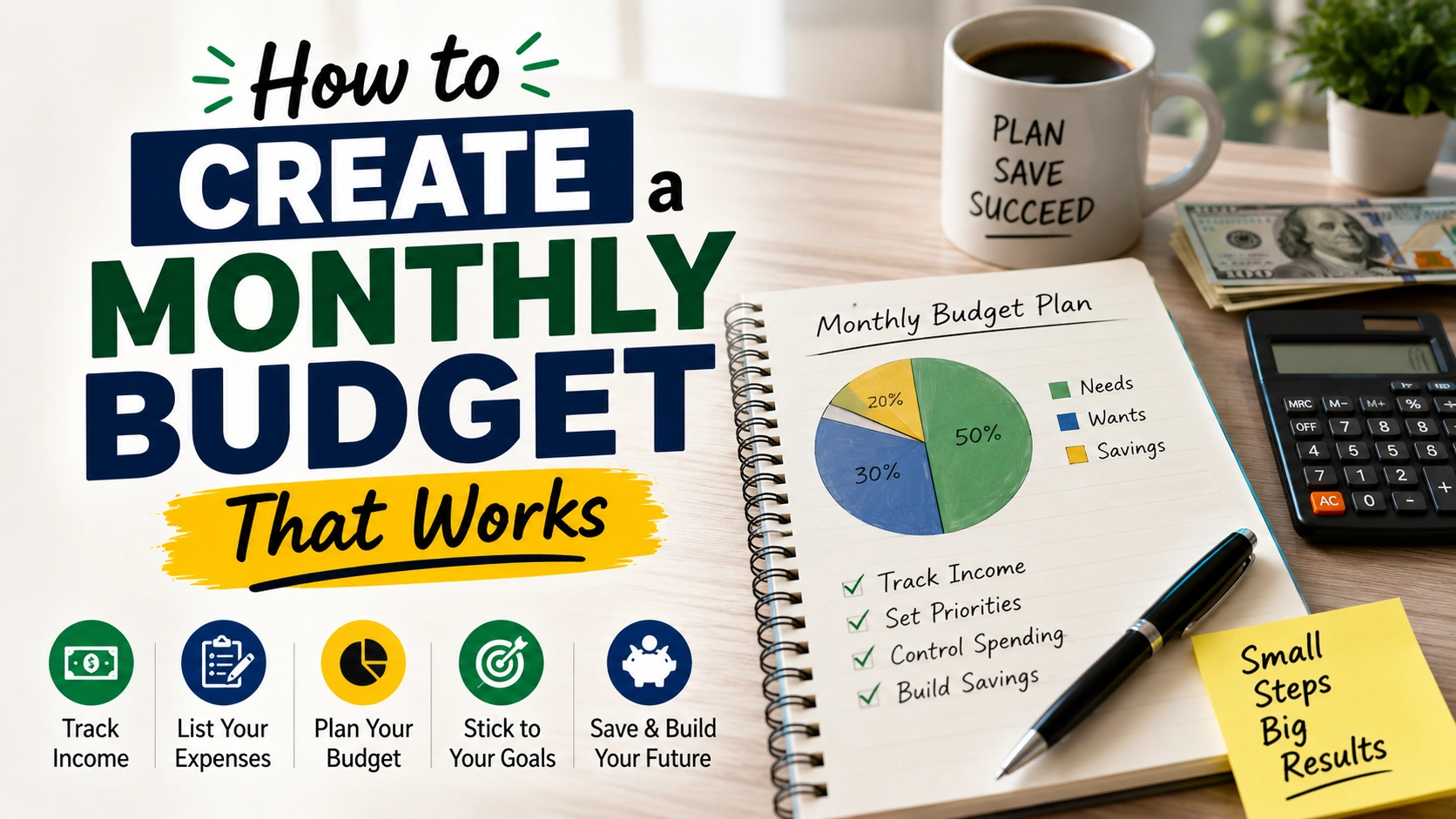
A budget is one of the most effective tools for managing personal finances.
Rather than restricting spending, a budget provides a clear plan for how your income will be used.
A simple budgeting process includes:
- Calculate your total monthly income.
- List all fixed and variable expenses.
- Set realistic savings goals.
- Allocate money for investments when appropriate.
- Review and adjust your budget regularly.
A well-maintained budget helps you stay aligned with your financial priorities while reducing unnecessary spending.
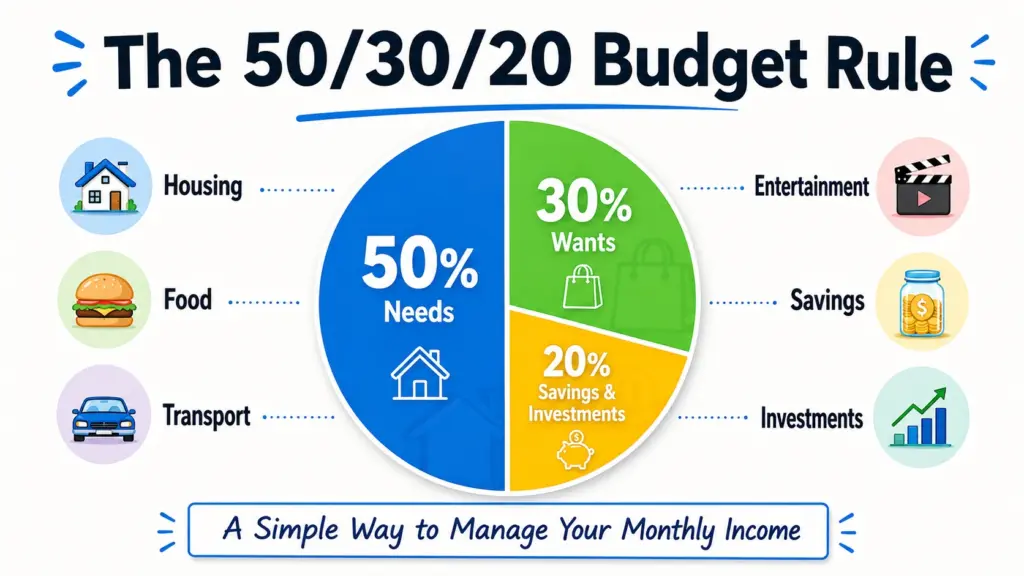
The 50/30/20 Budget Rule
| Category | Suggested Allocation |
| Essential Needs | 50% |
| Personal Wants | 30% |
| Savings & Investments | 20% |
One popular budgeting framework is the 50/30/20 rule.
It divides after-tax income into three categories:
This approach provides a simple starting point, though individuals may adjust these percentages based on their income, expenses, and financial goals.
Build an Emergency Fund
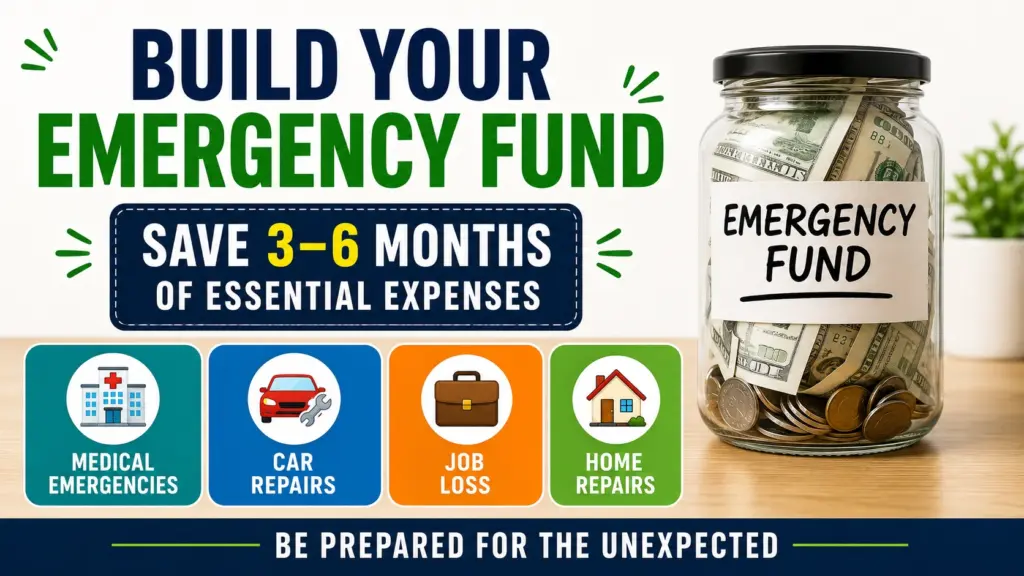
An emergency fund is one of the most important parts of a healthy financial plan. Unexpected events such as medical expenses, vehicle repairs, job loss, or urgent home maintenance can happen without warning. Having money set aside for these situations helps you avoid relying on high-interest debt.
Many financial experts recommend saving enough to cover three to six months of essential living expenses. If that seems difficult, start with a small, realistic goal and gradually increase your savings.
Tips for Building an Emergency Fund
- Open a separate savings account.
- Set up automatic monthly transfers.
- Use the fund only for genuine emergencies.
- Replenish it after withdrawals whenever possible.
A dedicated emergency fund provides greater financial confidence during uncertain times.
Track Your Expenses Regularly
Understanding where your money goes each month is essential for improving financial habits.
Small recurring purchases can add up over time, reducing your ability to save or invest.
Examples include:
- Streaming subscriptions
- Food delivery
- Online shopping
- Coffee or snacks
- Unused memberships
Recording your expenses helps identify spending patterns and potential areas for adjustment.
Simple Expense Tracking Methods
- Budgeting apps
- Spreadsheet templates
- Banking apps with spending reports
- Manual expense journals
Review your expenses at least once a month to keep your budget accurate.
Develop Smart Saving Habits
Saving money consistently is more effective than saving large amounts occasionally.
Good saving habits help prepare for future goals while improving overall financial stability.
Pay Yourself First
Instead of saving whatever remains at the end of the month, transfer money into savings as soon as you receive your income.
This strategy makes saving a regular financial priority.
Set Clear Savings Goals
Having specific goals makes it easier to stay motivated.
Examples include:
- Emergency fund
- Home down payment
- Vacation
- Education
- Retirement
- Vehicle purchase
Clear goals also help determine how much you need to save each month.
Avoid Impulse Spending
Before making non-essential purchases, consider waiting 24 hours.
This simple habit often reduces unnecessary spending and encourages more thoughtful financial decisions.
Investing for Long-Term Financial Growth

Saving protects your money, while investing offers the opportunity for long-term growth.
Because investments involve risk, it’s important to understand your financial goals and risk tolerance before getting started.
Popular investment options include:
- Index Funds
- Exchange-Traded Funds (ETFs)
- Mutual Funds
- Individual Stocks
- Bonds
- Retirement Accounts
Diversification can help reduce investment risk by spreading your money across different asset types.
Understanding Systematic Investing
Many investors prefer contributing a fixed amount on a regular schedule rather than trying to predict market movements.
This approach encourages disciplined investing and can reduce the emotional impact of short-term market fluctuations.
Benefits include:
- Consistent investing habits
- Reduced emotional decision-making
- Long-term wealth building
- Easier budgeting
Before investing, review fees, investment objectives, and your overall financial plan.
Manage Debt Responsibly
Borrowing money isn’t always negative, but high-interest debt can limit your financial progress.
Managing debt effectively allows more income to be directed toward savings and investments.
Good Debt Management Practices
- Pay bills on time.
- Prioritise high-interest debt.
- Avoid borrowing for unnecessary purchases.
- Review loan terms carefully.
- Keep credit utilisation at a reasonable level.
Responsible debt management supports long-term financial health.
Use Financial Technology Wisely
Modern financial tools make managing money easier than ever.
Many apps help users monitor spending, automate savings, and track investments.
Useful financial tools may include:
- Budgeting applications
- Expense trackers
- Investment platforms
- Bill payment reminders
- Net worth calculators
Technology can support good financial habits, but consistent decision-making remains the most important factor.
Set Financial Goals
Financial goals provide direction and help you measure progress.
A balanced financial plan often includes goals across different time horizons.
Short-Term Goals
Examples:
- Build an emergency fund.
- Pay off a credit card.
- Save for a vacation
Medium-Term Goals
Examples:
- Buy a vehicle
- Start a business
- Save for higher education.
Long-Term Goals
Examples:
- Retirement planning
- Financial independence
- Purchasing a home
- Building long-term wealth
Review your goals periodically and adjust them as your financial situation changes.
Build Multiple Income Streams
Relying on a single source of income may increase financial risk. Creating additional income streams can improve financial stability and provide greater flexibility when unexpected expenses arise.
Extra income doesn’t always require starting a large business. Many people begin with small opportunities that match their skills and available time.
Popular Ways to Earn Additional Income
- Freelancing
- Affiliate marketing
- Blogging
- Selling digital products
- Online tutoring
- Dividend investing
- Rental income
- Part-time consulting
Building multiple income sources gradually can reduce financial pressure and support long-term wealth creation.
Common Money Management Mistakes
Many financial problems develop from small habits that persist over time. Recognising these mistakes early can help you make better financial decisions.
Spending Without a Budget
Without a budget, it’s difficult to know where your money is going each month.
Creating even a simple monthly spending plan helps you stay in control of your finances.
Ignoring Small Expenses
Daily purchases may seem insignificant, but repeated spending can add up over time.
Examples include:
- Coffee purchases
- Food delivery
- Online subscriptions
- Impulse shopping
Reviewing these expenses regularly may reveal opportunities to save more.
Saving Too Late
Many people postpone saving because they believe they will earn more in the future.
Starting early, even with small amounts, allows your savings and investments more time to grow.
Carrying High-Interest Debt
High-interest debt can make it difficult to achieve financial goals.
Whenever possible:
- Pay more than the minimum payment.
- Prioritise high-interest balances.
- Avoid unnecessary borrowing.
Reducing debt frees more money for saving and investing.
Investing Without a Plan
Investing based on emotions, social media trends, or rumours can lead to poor decisions.
Before investing, understand:
- Your financial objective
- Risk tolerance
- Investment timeline
- Diversification strategy
A written investment plan can help you stay focused during changing market conditions.
Financial Discipline Builds Long-Term Success
Financial success rarely depends on one big decision. More often, it results from consistent habits practised over many years.
Examples of disciplined financial behaviour include:
- Following your monthly budget
- Saving before spending
- Paying bills on time
- Avoiding unnecessary debt
- Investing consistently
- Reviewing financial goals regularly
These habits can create meaningful long-term progress.
Develop Healthy Daily Money Habits
Small daily actions often have a greater impact than occasional large financial decisions.
Consider building habits such as:
Review Your Spending
Take a few minutes each week to review your recent transactions.
Understanding your spending patterns makes it easier to adjust your budget when needed.
Compare Prices Before Buying
For larger purchases, compare products, prices, warranties, and customer reviews before making a decision.
Thoughtful purchasing can reduce unnecessary spending.
Increase Savings Gradually
Whenever your income increases, consider directing part of that increase toward savings or investments before increasing discretionary spending.
This strategy may help prevent lifestyle inflation.
Continue Learning About Personal Finance
Financial knowledge changes over time.
Reading books, following reliable financial resources, and improving your understanding of investing, budgeting, and taxes can support better financial decisions throughout your life.
A Simple Personal Finance Checklist
Use this checklist to review your financial progress.
| Financial Task | Completed |
| Created a monthly budget | ☐ |
| Built an emergency fund | ☐ |
| Track monthly expenses | ☐ |
| Save regularly | ☐ |
| Invest consistently | ☐ |
| Review insurance coverage | ☐ |
| Reduce high-interest debt | ☐ |
| Review financial goals annually | ☐ |
Regularly checking these items can help you stay focused on long-term financial success.
Think Long-Term
Building wealth is usually a gradual process rather than a quick achievement.
Successful financial planning often includes:
- Spending less than you earn
- Saving consistently
- Investing responsibly
- Avoiding unnecessary debt
- Preparing for unexpected expenses
- Reviewing your financial plan regularly
Small improvements repeated over many years can lead to meaningful financial growth.
Conclusion

Managing your money effectively is one of the most valuable skills you can develop. Personal finance money management is not about earning the highest income—it’s about making thoughtful financial decisions that support your long-term goals.
Creating a budget, building an emergency fund, saving consistently, investing wisely, and managing debt responsibly are all important steps toward financial stability. While everyone’s financial journey is different, developing good habits and reviewing your finances regularly can help you adapt to changing circumstances.
Financial success is usually built through consistent action over time rather than quick results. By following practical money management strategies and continuing to improve your financial knowledge, you can create a stronger foundation for your future.
Frequently Asked Questions (FAQs)
What is personal finance money management?
Personal finance money management is the process of planning, budgeting, saving, investing, and managing expenses to achieve short-term and long-term financial goals. It helps individuals make informed financial decisions and improve their financial stability.
How can I improve my money management skills?
You can improve your money management skills by creating a monthly budget, tracking expenses, building an emergency fund, reducing unnecessary debt, saving regularly, and investing in line with your financial goals and risk tolerance.
Why is budgeting important?
A budget helps you understand how your income is being spent each month. It allows you to control expenses, avoid overspending, increase savings, and make better financial decisions.
How much should I keep in an emergency fund?
Many financial professionals recommend saving enough to cover approximately three to six months of essential living expenses. The ideal amount depends on your income, job stability, and personal financial situation.
What are good investment options for beginners?
Common beginner-friendly investment options include diversified index funds, exchange-traded funds (ETFs), mutual funds, retirement accounts, and other investments aligned with your financial goals. Always research investments carefully before making decisions.
How often should I review my financial plan?
Reviewing your financial plan at least once every six to twelve months can help ensure your budget, savings, investments, and financial goals remain aligned with your changing circumstances.
Can I build wealth with a small income?
Yes. Building wealth often depends more on consistent saving, disciplined spending, and long-term investing than on earning a very high income. Starting early and remaining consistent can make a significant difference over time.
What is the biggest mistake in personal finance?
One of the most common mistakes is spending without a plan. Other frequent mistakes include failing to save for emergencies, carrying high-interest debt, delaying investments, and making financial decisions without proper research.
Key Takeaways
- Create and follow a realistic monthly budget.
- Track your spending regularly.
- Build an emergency fund before making major investments.
- Save consistently, even if you start with small amounts.
- Invest in line with your financial goals and risk tolerance.
- Reduce high-interest debt whenever possible.
- Diversify your income sources over time.
- Review your financial plan regularly and adjust it as needed.
Official Sources
Use these trusted resources to learn more about personal finance and investing:
- Consumer Financial Protection Bureau (CFPB)
https://www.consumerfinance.gov/ - Investor.gov
https://www.investor.gov/ - U.S. Securities and Exchange Commission (SEC)
https://www.sec.gov/ - Federal Reserve – Consumer Resources
https://www.federalreserve.gov/consumerscommunities.htm - FINRA Investor Education
https://www.finra.org/investors - Internal Revenue Service (IRS)
https://www.irs.gov/
Internal Linking Suggestions
Add links to these related articles on your website:
- Best Personal Finance Tips for Beginners
- Best Passive Income Ideas in the USA for 2026
- How to Raise Your Credit Score Fast
- Top AI Stocks to Watch in 2026
- Best Cash Apps That Pay Instantly to PayPal
About the Author
Mehul Patel is the founder of Solvibex.com, where he writes practical, research-based content on personal finance, investing, artificial intelligence, online income opportunities, and financial technology. His goal is to help readers make informed financial decisions through clear, reliable, and easy-to-understand guides.
Disclaimer
The information provided in this article is for educational and informational purposes only. It should not be considered financial, investment, tax, or legal advice. Financial decisions involve risk, and individual circumstances vary. Consider conducting your own research or consulting a qualified financial professional before making financial decisions.